







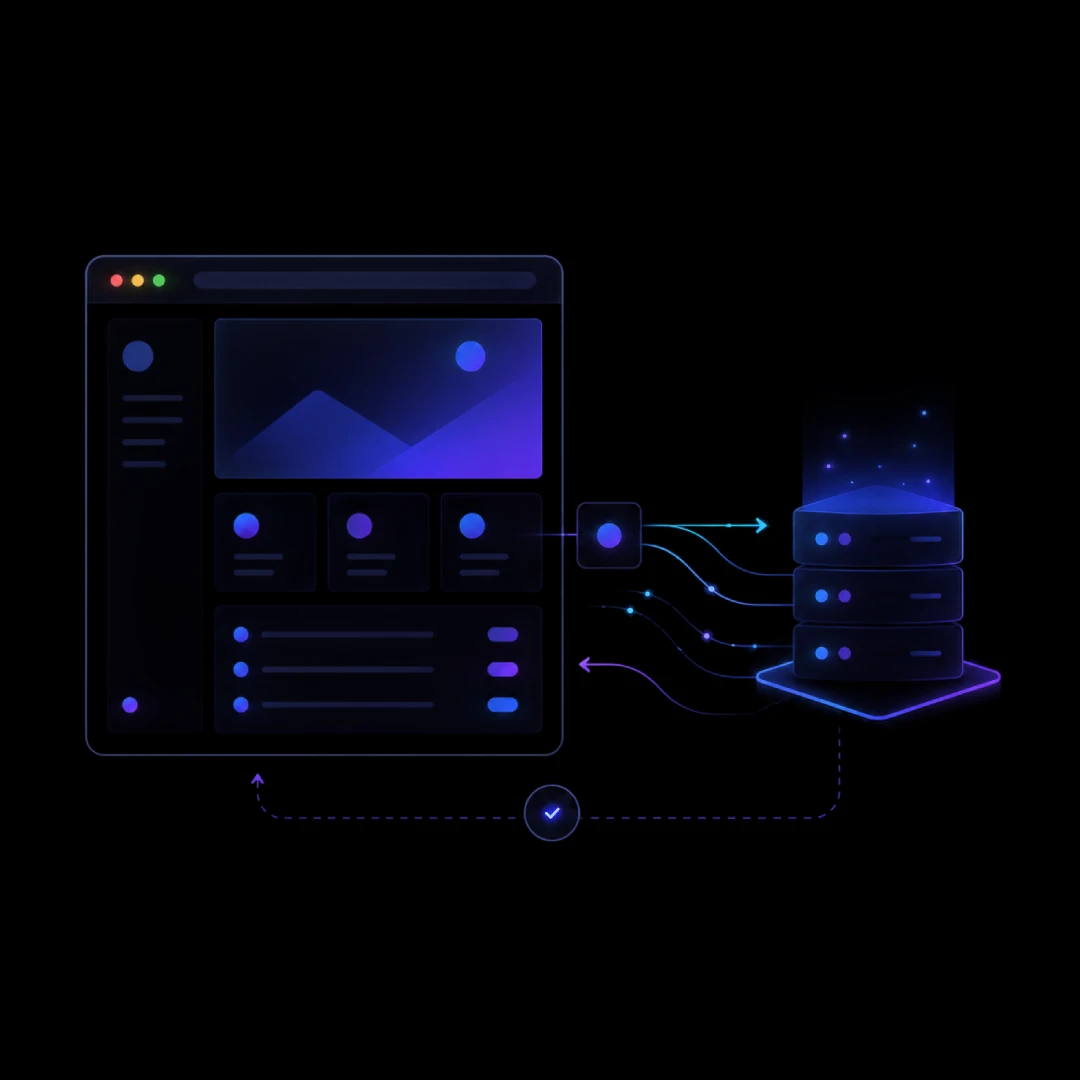
API Development Company: Cybertize Technologies Private Limited provides API development services in India, the USA and UAE for businesses that need more than a collection of endpoints.
We design and develop secure, scalable and production-ready APIs for web applications, mobile applications, SaaS platforms, enterprise systems, marketplaces, fintech products, healthcare platforms, eCommerce businesses, logistics systems and internal business applications.
Our API engineering covers the complete lifecycle, from API architecture and system design to development, security, testing, deployment, monitoring and long-term optimisation.
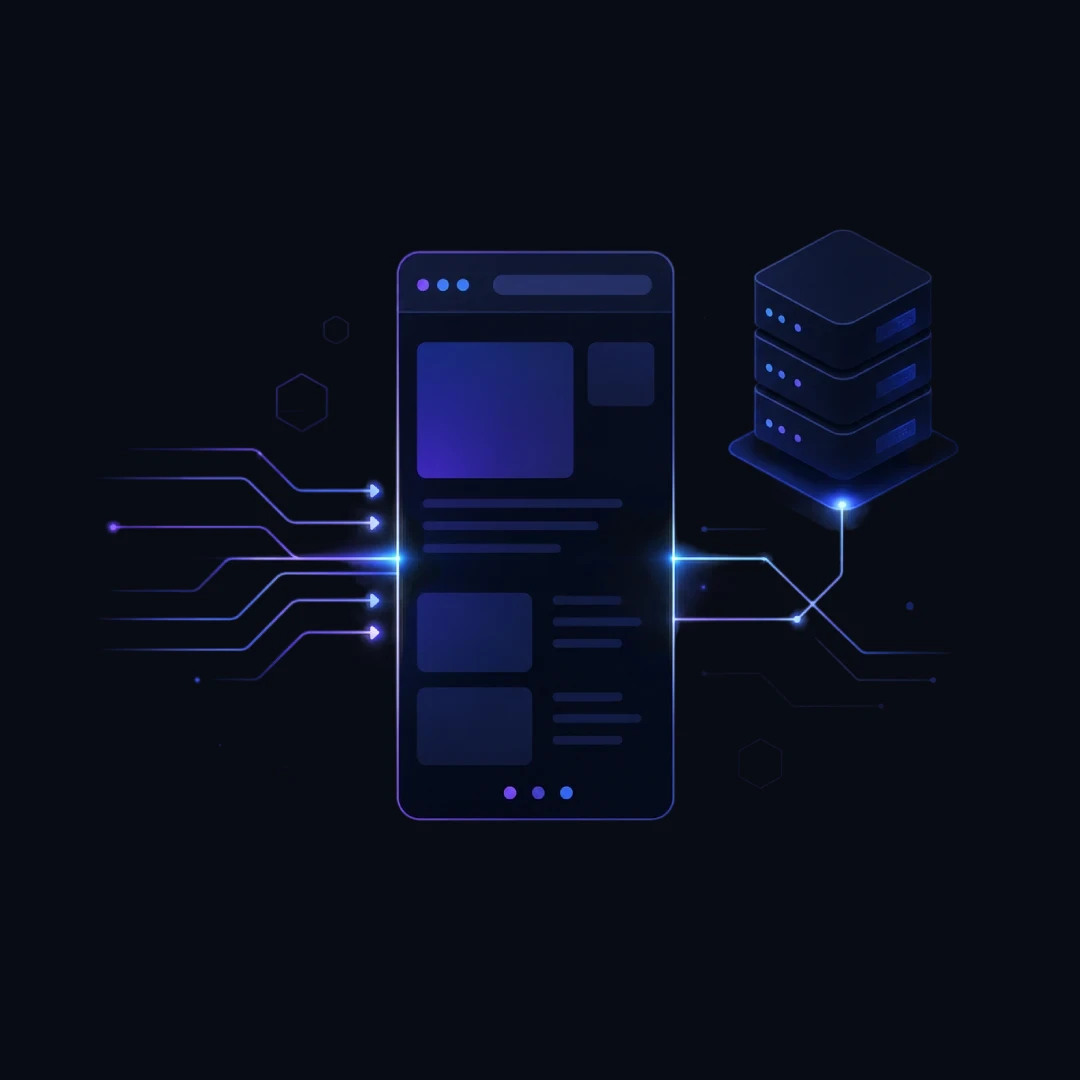
With experience serving 10+ clients requiring API development services, Cybertize works with businesses at different stages: from companies building their first API-driven product to organisations replacing legacy backends or re-architecting systems that are struggling with performance, scalability or integration complexity.
Our engineering teams operate across Delhi, Mumbai, Gujarat, Indore and Bangalore in India, with services available for businesses in the USA and UAE.
Need an API built, redesigned or scaled? Talk to our API engineering team.
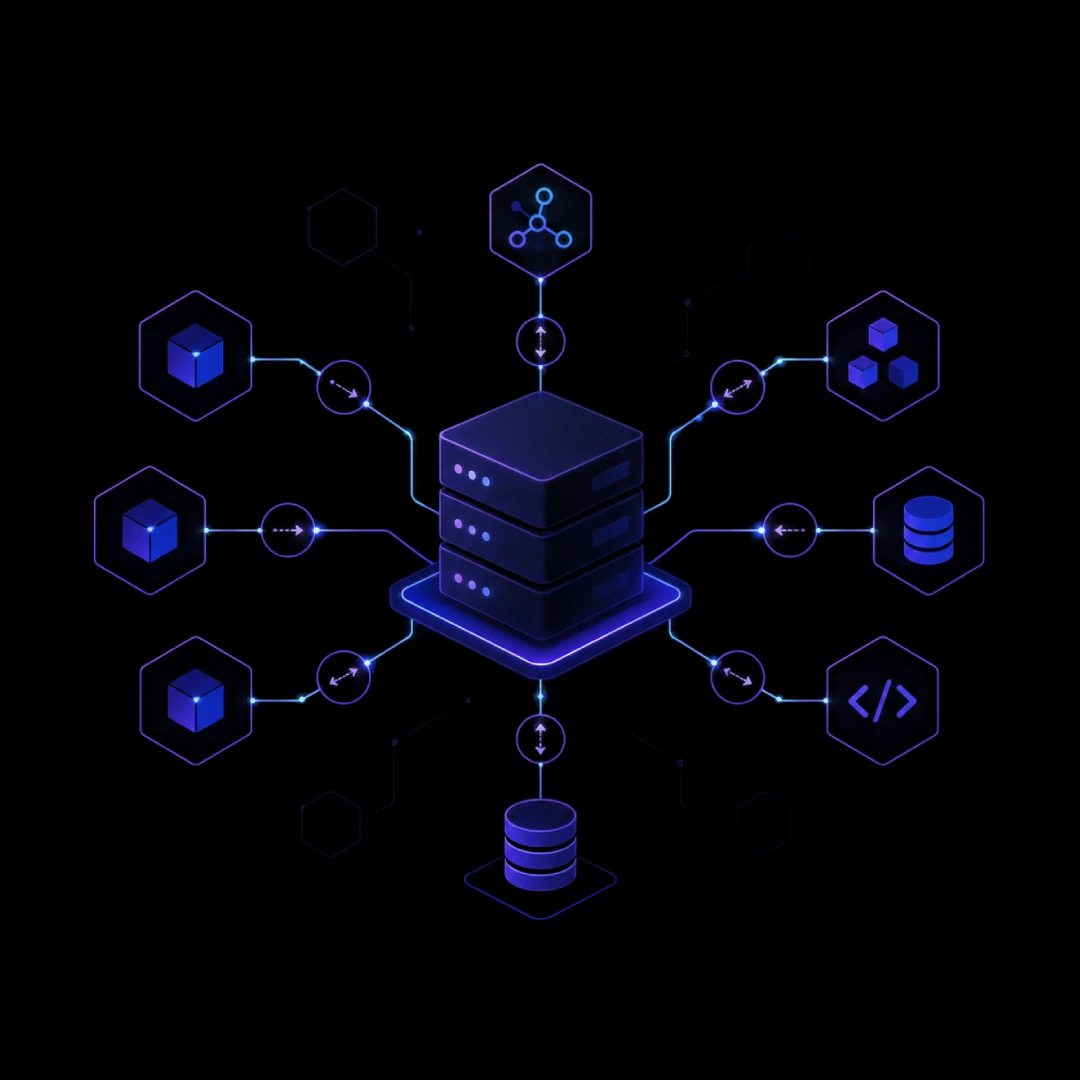
API Development Services We Provide
An API is not simply a backend route that returns JSON.
A production API needs a well-defined contract, authentication model, data architecture, error handling, observability, performance strategy, security controls and a plan for what happens when traffic increases or another service fails.
Our API development services cover the full engineering layer behind modern digital products.
Custom API Development
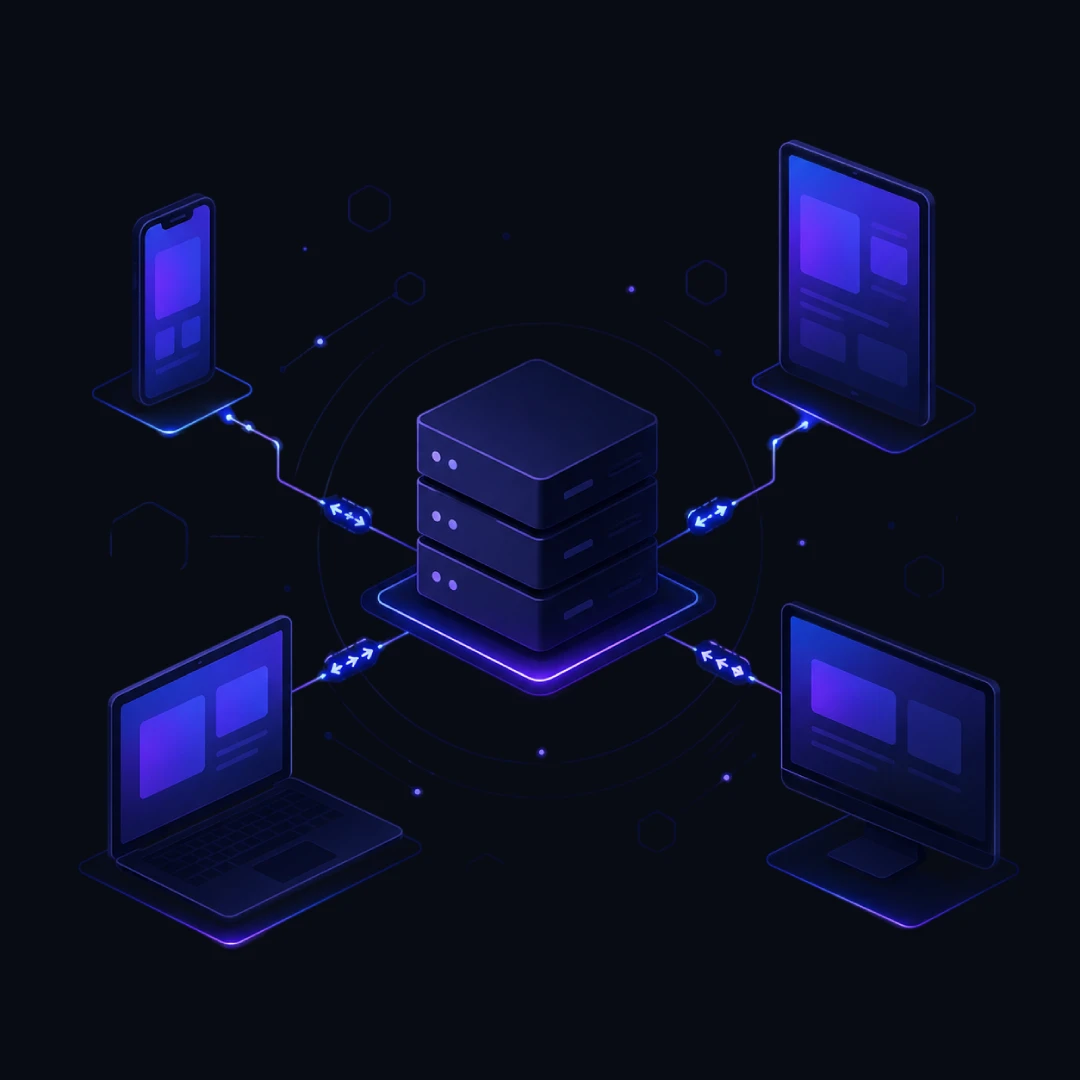
API Development Company: We build custom APIs around your application’s actual business logic instead of forcing your requirements into a generic backend template.
Cybertize Technologies developers design APIs for:

REST API Development Services
REST API development remains one of the most practical choices for web, mobile and enterprise integrations.
Cybertize develops REST APIs with emphasis on:
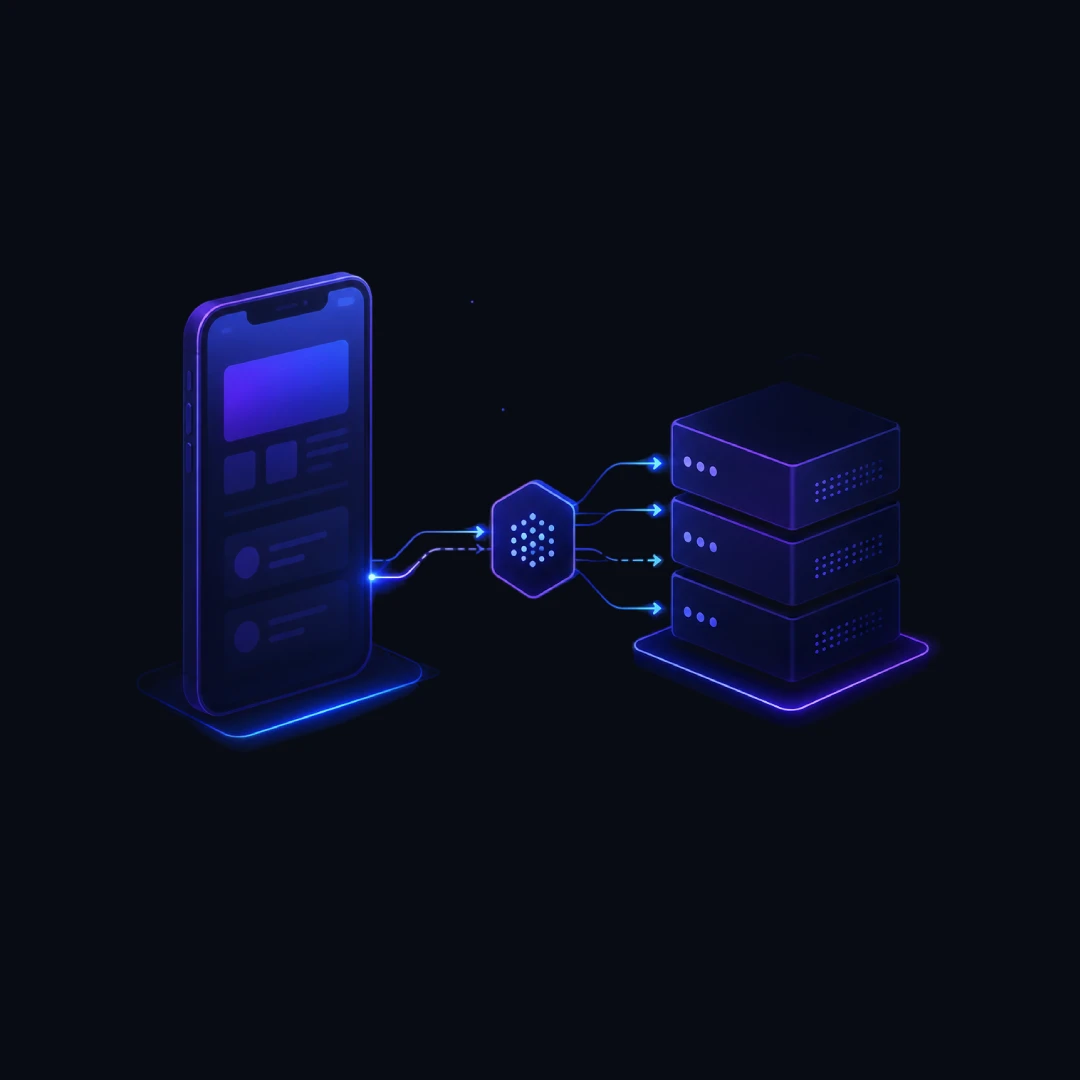
GraphQL API Development
When clients need flexible data access across complex relationships, GraphQL API development can be an effective architecture.
We develop GraphQL backends for applications requiring:
GraphQL can solve real problems, but it can also create new ones when implemented carelessly. We therefore design query limits, authorization, resolver performance and data-access patterns alongside the schema.
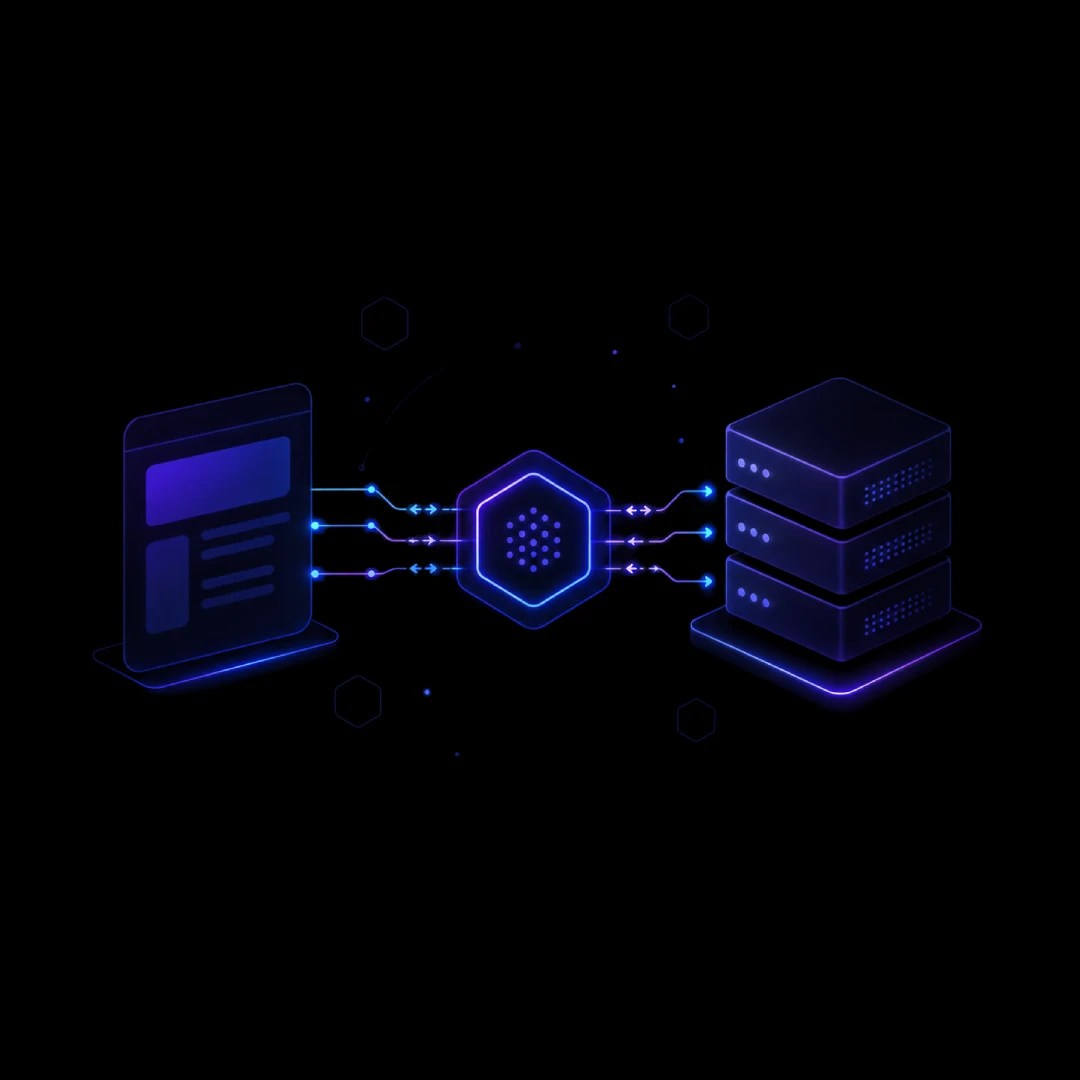
gRPC API Development
For high-performance communication between backend services, we develop gRPC APIs using strongly typed contracts and efficient service-to-service communication.
gRPC is particularly useful for:
- Microservices
- Internal service communication
- High-throughput systems
- Distributed backend systems
- Low-latency applications
- Polyglot backend environments
We can combine gRPC internally with REST or GraphQL at the public application layer when the architecture requires different communication models.

API Integration Services
Many businesses do not need another isolated backend.
They need their existing systems to communicate.
Cybertize develops API integrations connecting applications, databases, SaaS products, payment systems, CRMs, ERPs, communication platforms, logistics providers and third-party services.
Our integration work includes:
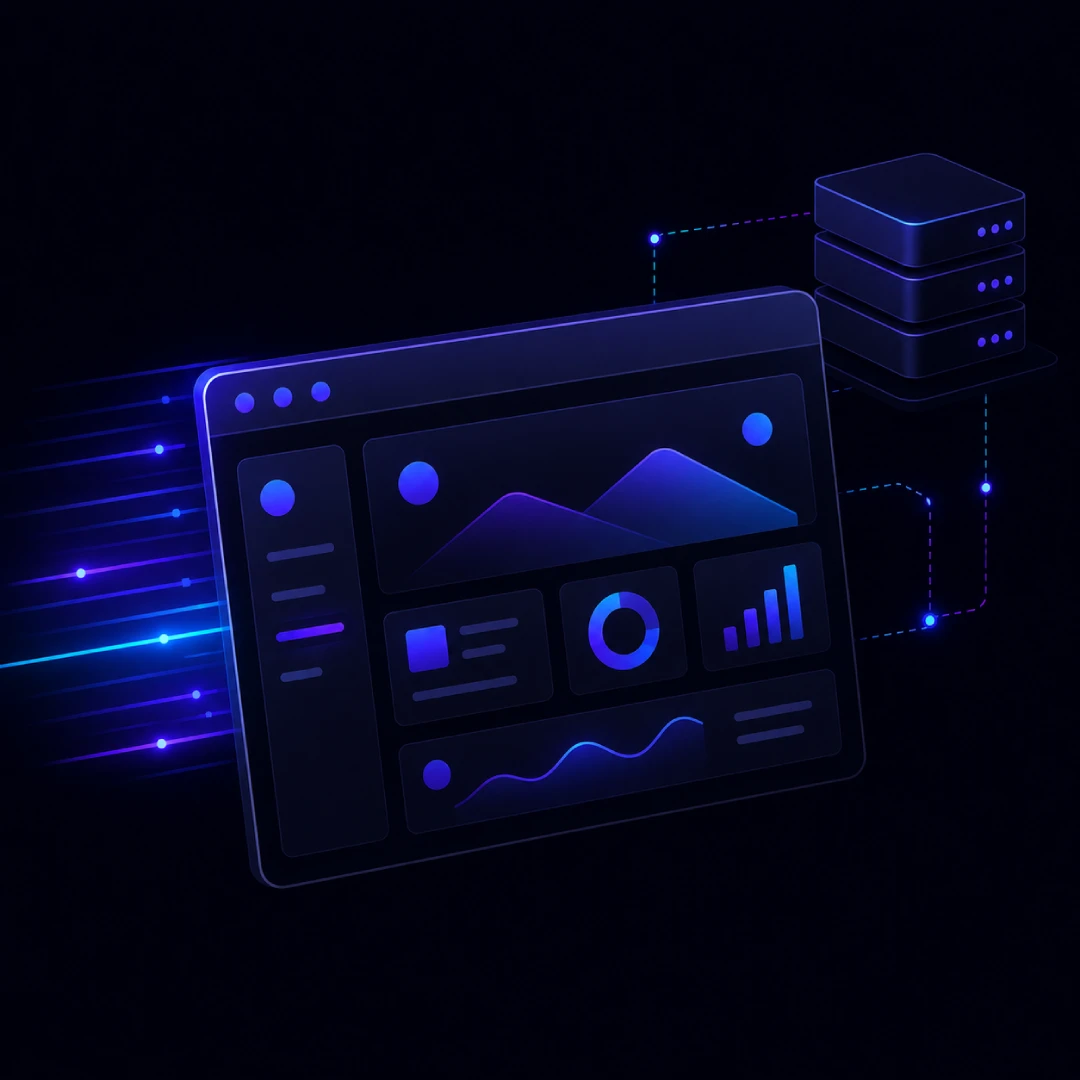
API Gateway Development
For applications with multiple backend services, an API gateway can become the controlled entry point between clients and internal systems.
We design API gateway architectures for:
The gateway is designed as part of the architecture rather than becoming a giant business-logic layer that eventually becomes impossible to maintain.
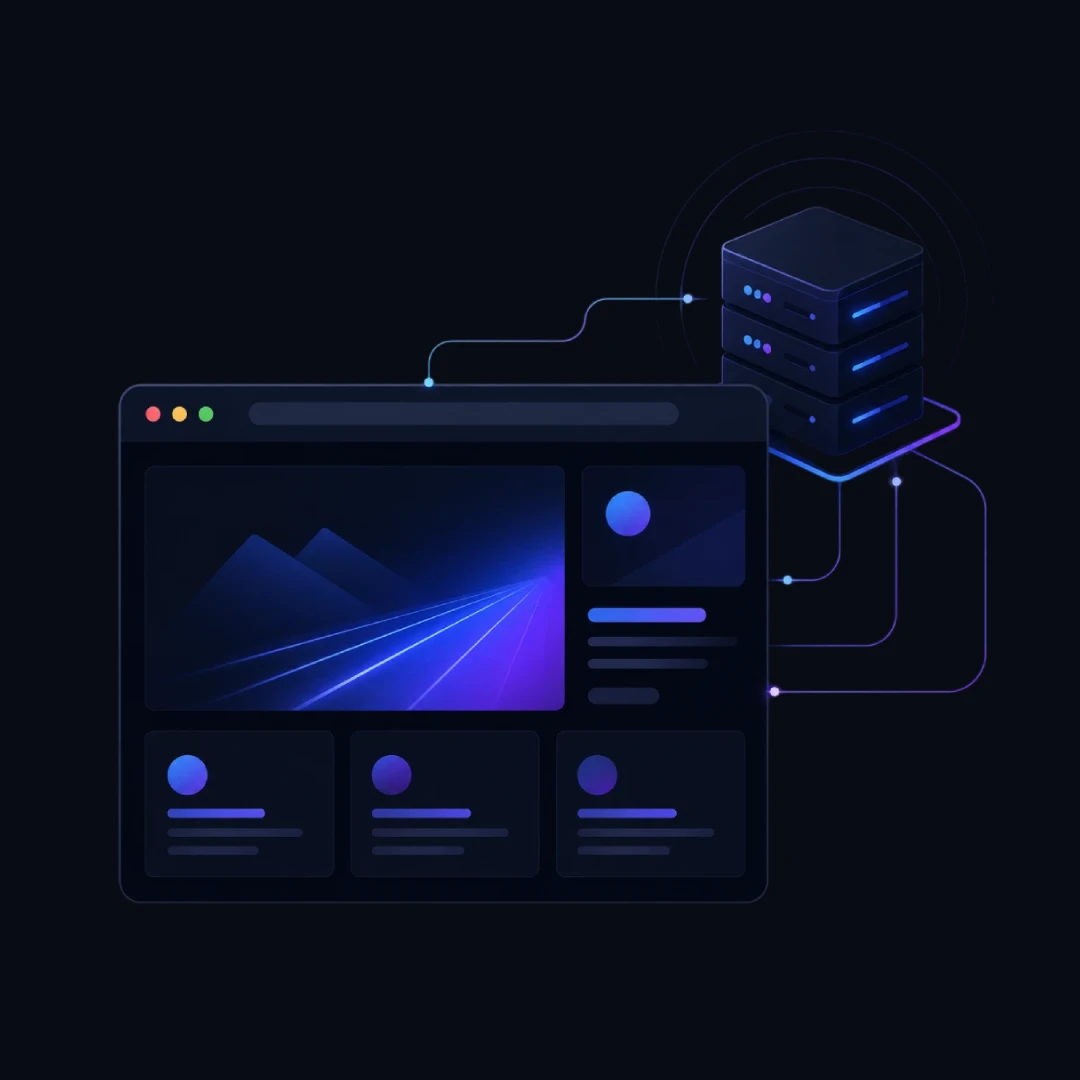
Microservices API Development
Microservices are useful when the business and engineering organisation actually benefit from independent services.
Cybertize designs microservices APIs around business domains rather than randomly splitting an application into dozens of services.
Our architecture can include:
We also advise when not to use microservices.
A well-designed modular monolith can be significantly easier and cheaper to operate than premature microservices.
Node.js API Development Services
Node.js is one of our core backend technologies for building modern API-driven applications.
We use Node.js for:

Node.js is particularly effective for I/O-heavy systems because of its asynchronous architecture. However, Node.js does not automatically make an application scalable.
The engineering decisions around the event loop, database access, connection pooling, caching, queues, CPU-heavy workloads, horizontal scaling and observability determine whether a Node.js backend performs well under real traffic.
Related Insights
MCP Gateway Architecture for Enterprises: Design Patterns, Components and Best Practices
MCP Gateway Architecture: Enterprises want AI agents to work with the systems they already run: CRM records, ERP…
Read Article
Mobile App Development Trends Report 2026-2027: Complete Guide, with real market data & India-specific pricing.
Why Most Framework Comparisons Get This Wrong Mobile App Development Trends: Search "Flutter vs React Native" right now…
Read Article
Mobile App Development Technology Radar 2026-2027: 22 Technologies Ranked
The Technologies, Architectures and AI Capabilities Businesses Should Build For Executive Snapshot: 7 technologies move into Build Now:…
Read Article
AI-Powered Cybersecurity: Lessons From the OpenAI Security Incident
AI-Powered Cybersecurity: What Happened, and Why It Matters Beyond OpenAI and Anthropic In mid-September 2026, VentureBeat, the Wall…
Read Article
HouseGyan: Engineering a Scalable Home Construction & Design Marketplace
HouseGyan, an Indore-based home planning and construction platform, partnered with Cybertize Technologies Private Limited to transform an ambitious…
Read Article
Building Express Tributes: A Scalable Digital Tribute Platform for The Indian Express
Industry Digital Publishing • Media Technology Services Delivered Product Discovery UI/UX Research Information Architecture Figma UI Design MERN…
Read Article
AI Application Development Cost Report 2026-2027 by Cybertize Technologies
Why "How Much Does AI Cost" Has No Single Answer AI Application Development Cost: Every founder evaluating an…
Read Article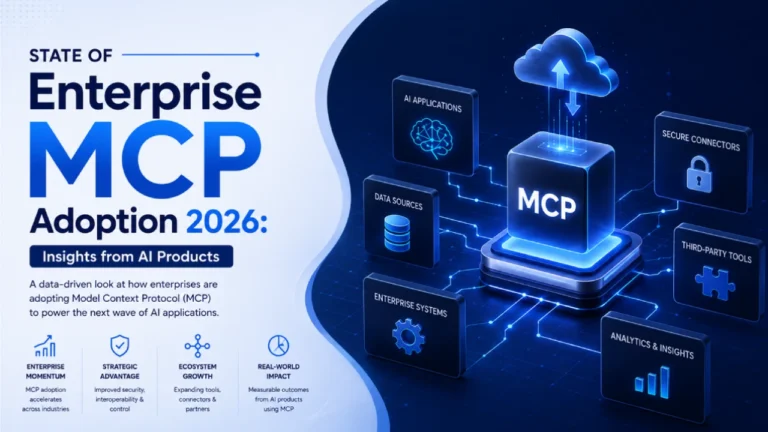
State of Enterprise MCP Adoption 2026: Data, Architecture, Trends
MCP Adoption: How MCP Became Infrastructure This Fast In November 2024, Anthropic released the Model Context Protocol as…
Read Article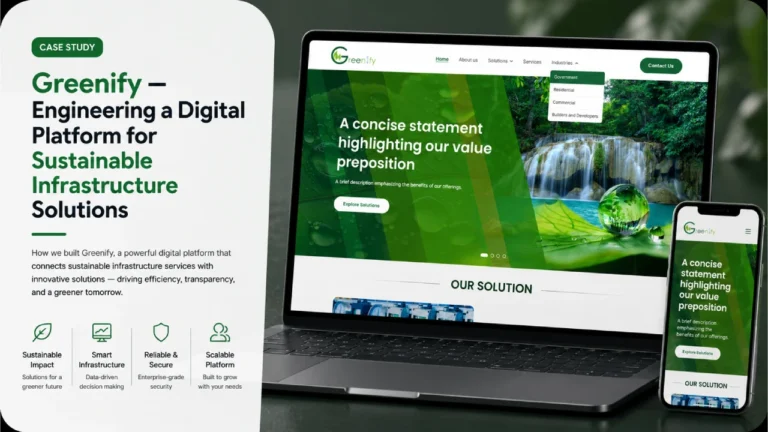
Greenify — Engineering a Digital Platform for Sustainable Infrastructure Solutions
Project Overview Greenify partnered with Cybertize Technologies Private Limited to build a modern digital platform that reflects its…
Read Article
LexTemplum — Engineering a Scalable Legal Education Platform with a Custom LMS
Project Overview LexTemplum, a leading law entrance preparation institute, partnered with Cybertize Technologies Private Limited to modernize its…
Read Article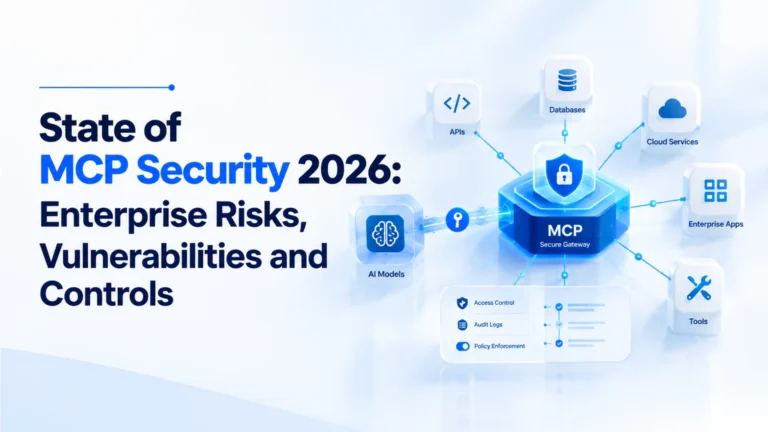
State of MCP Security 2026: Enterprise Risks, Vulnerabilities and Controls
MCP security Report: A Protocol That Won the Adoption War Before It Won the Security War The Model…
Read Article
ForexBlues — Modernizing a Forex Advisory Platform with Real-Time Market Intelligence
Project Overview ForexBlues, a financial advisory platform specializing in foreign exchange and commodity market insights, partnered with Cybertize…
Read ArticleOur Modern Node.js Development Approach
We don’t treat Node.js as simply “Express + MongoDB”.
Modern Node.js backend engineering requires considerably more architectural discipline.
TypeScript-First Backend Development
For large production systems, we favour TypeScript where it provides meaningful advantages in maintainability and type safety.
We use:
- Strong typing
- Interfaces and types
- DTOs
- Schema validation
- Typed API contracts
- Strict compiler configuration
- Shared types where appropriate
The goal is to catch entire categories of mistakes before they become runtime failures.
API Development Company: Express.js, NestJS and Fastify
The framework should match the project.
Depending on the architecture, requirements and existing codebase, our Node.js developers can work with:
Express.js
Useful for lightweight APIs and teams that want maximum control over application structure.
NestJS
Useful for larger backend applications requiring a structured architecture around modules, dependency injection, guards, interceptors and scalable project organisation.
Fastify
Useful when performance and efficient HTTP handling are important and the application benefits from a lightweight framework with a strong plugin architecture.
The framework is not the architecture.
A badly designed application can be slow in any framework.
Event-Driven Node.js Architecture
Modern applications increasingly depend on asynchronous processing.
Instead of forcing every operation into a synchronous HTTP request, we can use event-driven architectures for workloads such as:
- Notifications
- Email processing
- Image processing
- Video processing
- Order workflows
- Payment events
- Inventory updates
- Analytics
- Background jobs
- Data synchronisation
Depending on requirements, this can involve Kafka, RabbitMQ, AWS SQS/SNS, Redis-based queues or other messaging infrastructure.
This allows the user-facing API to remain responsive while expensive or asynchronous work is processed separately.
Node.js Worker Threads and CPU-Heavy Workloads
Node.js is excellent for I/O-intensive workloads, but CPU-heavy operations require a different approach.
Node.js Worker Threads allow JavaScript workloads to execute in parallel and are specifically intended for CPU-intensive operations.
We consider worker threads or separate processing services for workloads such as:
- Large file processing
- Data transformation
- Image processing
- Computational workloads
- Encryption-heavy operations
- Document processing
- CPU-intensive analytics
The objective is to prevent expensive computation from blocking the main application event loop.
Redis Caching and Performance Engineering
Database calls are not free.
Repeatedly executing expensive queries for the same data can increase latency, database load and infrastructure costs.
We use Redis and other caching mechanisms where the application’s access pattern justifies them.
Caching strategies can include:
- Response caching
- Query-result caching
- Session storage
- Distributed locks
- Rate-limit counters
- Temporary data
- Queue-backed workloads
- Cache invalidation strategies
The important part is not “add Redis”.
It is determining what should be cached, for how long, who invalidates it and what happens when the cache is unavailable.
Database-Aware API Engineering
API performance frequently becomes a database problem.
We design APIs alongside the underlying data-access layer using technologies such as:
- PostgreSQL
- MySQL
- MongoDB
- Redis
- Elasticsearch/OpenSearch
- Other project-specific data stores
Our engineering considerations include:
- Indexing
- Query optimisation
- Connection pooling
- Transactions
- Pagination
- Read/write patterns
- Database replication
- Data modelling
- N+1 query prevention
- Caching
- Archival strategies
A fast API with an inefficient database query is still a slow system.
Authentication & Authorization API Development
Authentication answers:
“Who are you?”
Authorization answers:
“What are you allowed to do?”
We design API security around both.
Depending on the product, implementations may include:
- OAuth 2.0
- OpenID Connect
- JWT
- Session-based authentication
- API keys
- Role-Based Access Control
- Attribute-Based Access Control
- Service-to-service authentication
- Multi-factor authentication integrations
- Refresh-token workflows
- Token rotation
- Permission scopes
For enterprise systems, authorization is designed around actual business roles rather than simply adding an isAdmin field.
Secure API Development
Security is part of API architecture, not a final QA checkbox.
The OWASP API Security Top 10 identifies risks including broken object-level authorization, broken authentication, broken function-level authorization, unrestricted resource consumption, SSRF, security misconfiguration, improper API inventory and unsafe consumption of APIs.
Our API engineering therefore considers:
- Input validation
- Output filtering
- Authentication
- Authorization
- Rate limiting
- Request-size limits
- Secure headers
- CORS configuration
- Secrets management
- Encryption
- Audit logging
- Dependency security
- API version management
- Abuse prevention
- Error handling
- Third-party API validation
API Rate Limiting, Throttling and Abuse Prevention
A public API can be attacked without anyone breaking a password.
An attacker can simply automate legitimate endpoints.
We implement controls such as:
- IP-based rate limiting
- User-based limits
- API-key quotas
- Token-bucket strategies
- Request throttling
- Login protection
- Sensitive-operation limits
- Request-size restrictions
- Concurrency controls
This becomes especially important for APIs that trigger paid operations such as SMS, emails, payment processing, AI requests or external API calls.
OWASP specifically identifies unrestricted resource consumption as an API security risk because excessive requests can consume bandwidth, CPU, memory, storage and even paid third-party resources.
API Versioning and Legacy API Migration
APIs become business infrastructure.
Once mobile applications, customers, partners and internal systems depend on an endpoint, changing it casually can break production systems.
We design versioning strategies such as:
/v1/v2- Header-based versioning
- Backward-compatible schema evolution
- Deprecation policies
- Migration periods
- Compatibility layers
We can also migrate legacy APIs without forcing an immediate rewrite of the entire application.
API Documentation with OpenAPI
An API is easier to sell, integrate and maintain when developers can understand it without reverse-engineering your backend.
We create structured API documentation covering:
- Endpoints
- Parameters
- Request bodies
- Response schemas
- Authentication
- Error responses
- Examples
- Status codes
- Versioning
- Integration instructions
Where appropriate, we use OpenAPI/Swagger-based documentation and generate documentation alongside the API contract.
Real-Time API and WebSocket Development
Not every application should wait for the next HTTP request.
For real-time functionality, we develop systems using technologies such as:
- WebSockets
- Socket.IO
- Server-Sent Events
- Redis Pub/Sub
- Event-driven messaging
Use cases include:
- Live chat
- Notifications
- Dashboards
- Delivery tracking
- Live sports data
- Collaboration platforms
- Trading interfaces
- Real-time operational monitoring
API Testing and Quality Engineering
API testing should go beyond checking whether a 200 OK response appears.
Our testing approach can include:
Functional Testing
Does the API perform the required business operation correctly?
Contract Testing
Does the API continue to honour the agreed request and response contract?
Integration Testing
Does it communicate correctly with databases, queues and external services?
Load Testing
Does the system continue performing when traffic increases?
Security Testing
Can users access resources or functions they should not be able to access?
Regression Testing
Does a new deployment break existing functionality?
API Observability and Production Monitoring
A production API needs to tell engineering teams what is happening.
We can implement observability around:
- Structured logs
- Metrics
- Error rates
- Latency
- Throughput
- Database performance
- Queue depth
- External API failures
- Distributed tracing
- Health checks
- Alerting
For distributed architectures, OpenTelemetry-compatible observability can help engineers trace a request across multiple services instead of investigating each service independently.
API Deployment and DevOps
We can deploy API systems using modern cloud-native infrastructure including:
- Docker
- AWS
- Google Cloud
- Microsoft Azure
- CloudFront/CDN architectures
- Load balancers
- Auto scaling
- CI/CD pipelines
- Kubernetes where justified
- Infrastructure automation
- Environment-specific configuration
- Secrets management
- Production monitoring
The architecture is designed around the application’s actual requirements rather than adding infrastructure simply because it looks sophisticated.
System Design Services for API-Driven Applications
Sometimes the biggest problem isn’t the API code.
It is the architecture behind it.
Cybertize provides system design and backend architecture services before or alongside API development.
We help design:
- High-level architecture
- Low-level architecture
- Service boundaries
- Database architecture
- API contracts
- Authentication architecture
- Caching architecture
- Queue architecture
- Event-driven systems
- Microservices
- Modular monoliths
- Multi-tenant SaaS systems
- Distributed systems
- High-availability infrastructure
- Disaster recovery architecture
- Scalability strategies
High-Scale System Design
If your application has to handle millions of requests, the question isn’t simply:
“Can Node.js handle it?”
The real questions are:
- How many requests arrive per second?
- What percentage are reads versus writes?
- Which endpoints are expensive?
- What data needs strong consistency?
- What can be eventually consistent?
- What can be cached?
- Where are queues required?
- What happens when the database becomes the bottleneck?
- What happens when a third-party API goes down?
- What happens when one service becomes unavailable?
- How will the system recover?
We design around these failure modes before they become production incidents.
Monolith to Microservices Migration
Many businesses reach a point where their existing backend becomes difficult to change.
That does not automatically mean “rewrite everything”.
We can assess the existing architecture and determine whether the right answer is:
Modular monolith → selective service extraction → microservices
rather than:
Old application → six-month rewrite → new problems.
Migration can be performed incrementally using techniques such as:
- Strangler patterns
- API gateways
- Service extraction
- Event-based integration
- Database decomposition
- Compatibility APIs
- Incremental deployment
Legacy API Modernisation
We help businesses modernise APIs that suffer from:
- Slow response times
- Poor documentation
- Inconsistent endpoints
- Security weaknesses
- Legacy authentication
- Database bottlenecks
- Difficult deployments
- No automated testing
- Tight coupling
- Poor observability
- Uncontrolled technical debt
The objective is not modernization for its own sake.
It is to make the backend easier to maintain, safer to operate and capable of supporting the next stage of business growth.
Multi-Tenant SaaS API Development
For SaaS companies, API architecture must understand tenancy from day one.
We design multi-tenant backends around:
- Tenant isolation
- Tenant-level permissions
- Subscription plans
- Usage limits
- API quotas
- Billing integration
- Tenant-specific configuration
- Data isolation
- Audit trails
- Admin controls
This is particularly important when a single API serves hundreds or thousands of organisations.
AI and LLM API Integration
Modern applications increasingly combine conventional business APIs with AI services.
We can integrate AI capabilities into existing backend architectures through:
- LLM APIs
- AI-powered search
- Document processing
- Embeddings
- Vector databases
- Retrieval-augmented generation
- AI workflow orchestration
- Streaming responses
- Usage tracking
- Token/cost controls
- AI-specific rate limiting
AI becomes a service inside the system rather than an isolated feature bolted onto the frontend.
Industries We Serve
Our API development and backend engineering services can support businesses across:
Fintech & Financial Services
Secure transaction APIs, payment integrations, account services, financial workflows and enterprise integrations.
eCommerce & Retail
Product APIs, inventory systems, order management, payment integrations, customer accounts and marketplace integrations.
Healthcare
Appointment systems, patient-facing applications, healthcare integrations, secure data exchange and internal platforms.
Logistics & Transportation
Tracking APIs, fleet systems, delivery management, route data, partner integrations and real-time status systems.
SaaS
Multi-tenant APIs, subscription systems, authentication, billing, integrations and scalable backend architecture.
Real Estate
Property APIs, lead management, CRM integrations, booking systems and customer portals.
Media & Entertainment
Content APIs, publishing systems, media workflows, user accounts, recommendation services and real-time features.
Manufacturing
ERP integrations, inventory systems, production workflows, IoT connectivity and operational dashboards.
Education
Student platforms, LMS integrations, assessment systems, authentication and institutional APIs.
Travel & Hospitality
Booking APIs, payment integrations, inventory, customer management and third-party travel integrations.
API Development Problems We Solve
Businesses usually don’t come looking for an API developer because they want “an API”.
They come because something is broken, expensive or limiting growth.
“Our API is too slow.”
We investigate database queries, connection pools, synchronous operations, external dependencies, caching, serialization, network latency and application architecture.
“The API crashes when traffic increases.”
We analyse bottlenecks, event-loop blocking, memory usage, database capacity, connection limits, concurrency and horizontal-scaling requirements.
“Our Node.js backend is becoming difficult to maintain.”
We assess architecture, module boundaries, dependency management, technical debt, testing and service responsibilities.
“We need to connect five different systems.”
We design an integration layer rather than creating fragile point-to-point connections everywhere.
“Our APIs aren’t secure.”
We review authentication, authorization, object-level access control, validation, rate limiting, secrets, CORS, logging and API exposure.
“We inherited an API from another developer.”
We can audit the architecture, document the system, identify risks and create a practical modernization roadmap.
“Our mobile app needs a new backend.”
We can design and build the API layer, authentication, database architecture, admin backend and deployment infrastructure.
“We need to scale without rewriting everything.”
We identify the actual bottlenecks and scale the components that need scaling rather than replacing the entire platform unnecessarily.
Our API Development Process
01. Discovery & Requirements
We understand the product, users, integrations, data flows, expected traffic and business-critical workflows.
02. API & System Architecture
We define service boundaries, API contracts, authentication, data models, infrastructure and scaling requirements.
03. API Contract Design
Endpoints, schemas, validation rules, error formats, permissions and versioning are defined before implementation.
04. Development
Our backend engineers build the API using the appropriate Node.js architecture, database, communication protocol and supporting infrastructure.
05. Security & Testing
We test authentication, authorization, validation, business logic, integrations, performance and failure scenarios.
06. Deployment
We deploy through a controlled environment with appropriate monitoring, logging, CI/CD and infrastructure configuration.
07. Optimisation
Production metrics are used to identify real bottlenecks and optimise the system based on actual behaviour.
08. Ongoing Engineering Support
APIs evolve. We support new integrations, new versions, performance improvements, security updates and architectural changes.
Why Choose Cybertize for API Development?
Engineering Before Boilerplate
We don’t start with:
“Which framework should we install?”
We start with:
“What does this system need to do under real production conditions?”
That distinction affects everything from database design to API contracts.
Business-Aware System Design
An API should reflect the business domain.
A marketplace, banking platform and media application should not have the same backend architecture simply because they can all be built using Node.js.
Full Backend Capability
Our API engineering can cover the surrounding system as well:
API → Database → Cache → Queue → Authentication → Infrastructure → Monitoring
This avoids the common situation where an API developer builds endpoints while another team discovers the architectural problems later.
India + USA Delivery
Cybertize Technologies Private Limited operates across India and the USA, with engineering presence across Delhi, Mumbai, Gujarat, Indore and Bangalore.
This gives businesses the flexibility to engage an India-based engineering team while working with a company serving international clients.
10+ API Development Clients
We have served 10+ clients requiring API development services, working on backend and API requirements across different types of digital products.
Technology-Agnostic Architecture
We don’t recommend microservices because they sound advanced.
We don’t recommend GraphQL because it is popular.
We don’t recommend Kubernetes because it appears in every architecture diagram.
We select technology according to the application’s:
- Traffic
- Data
- Team
- Budget
- Product roadmap
- Security requirements
- Integration requirements
- Operational complexity
API Development Technologies We Work With
Backend
- Node.js
- TypeScript
- Express.js
- NestJS
- Fastify
API Protocols
- REST
- GraphQL
- gRPC
- WebSockets
- Server-Sent Events
Databases
- PostgreSQL
- MySQL
- MongoDB
- Redis
- Elasticsearch/OpenSearch
Messaging
- Apache Kafka
- RabbitMQ
- AWS SQS/SNS
- Redis-based queues
Infrastructure
- AWS
- Azure
- Google Cloud
- Docker
- Kubernetes
- CI/CD
- Load Balancing
- Auto Scaling
Security
- OAuth 2.0
- OpenID Connect
- JWT
- API Keys
- RBAC
- Rate Limiting
- Encryption
- Secrets Management
Engineering
- OpenAPI
- Swagger
- Automated Testing
- Contract Testing
- Load Testing
- Distributed Tracing
- Structured Logging
- Monitoring
What Makes a Production API Different From a Prototype?
A prototype asks:
“Does the request return the expected response?”
A production API asks much harder questions:
What happens if the database is unavailable?
What happens if the client retries the same payment request three times?
What happens if a third-party API takes 20 seconds to respond?
What happens if 10,000 users hit the same endpoint simultaneously?
What happens if one microservice goes down?
Can one customer access another customer’s data?
Can an attacker automate an expensive business operation?
Can developers understand the API six months later?
Can the API be changed without breaking existing mobile applications?
These are architecture problems, not merely coding problems.
That is the level at which Cybertize approaches API development.
Build the Backend Your Product Will Depend On
Your API becomes the layer connecting your application, users, databases, partners, payment systems and business operations.
It should not be treated as disposable backend code.
Cybertize Technologies Private Limited builds API-driven systems, Node.js backends, integrations and system architectures for businesses in India, the USA and UAE.
Whether you are building a new product, replacing a legacy API, integrating multiple systems or preparing an existing backend for scale, our team can help you design the architecture and build the engineering layer behind it.
Tell us what you’re building. We’ll help you determine the API architecture, technology stack and development approach required to take it into production.
Start Your API Development Project
Talk to Cybertize Technologies Private Limited about your API, backend or system architecture requirements.