AEO vs SEO vs GEO, explained by Cybertize SEO Team
| Aspect |
SEO |
AEO |
GEO |
| Primary focus |
Discoverability and performance in search engines |
Making information useful and discoverable in answer-oriented experiences |
Visibility in generative AI responses |
| Typical activities |
Keyword and intent research, on-page optimisation, technical fixes, link earning |
Question research, clear answers within full pages, entity consistency, evidence |
Similar work, viewed through the lens of generative responses and citations |
| Role of technical SEO |
Foundational |
Foundational, since systems must reach and read content |
Foundational |
| Content strategy |
Match search intent with helpful content |
Answer real questions with depth and original information |
Provide original, citable information |
| Visibility measurement |
Rankings, impressions, clicks, conversions |
Sampled answer appearances, referral traffic, search data, enquiries |
Sampled appearances in generative responses, referral traffic |
| Relationship to traditional search |
The established discipline |
Builds on it |
Builds on it |
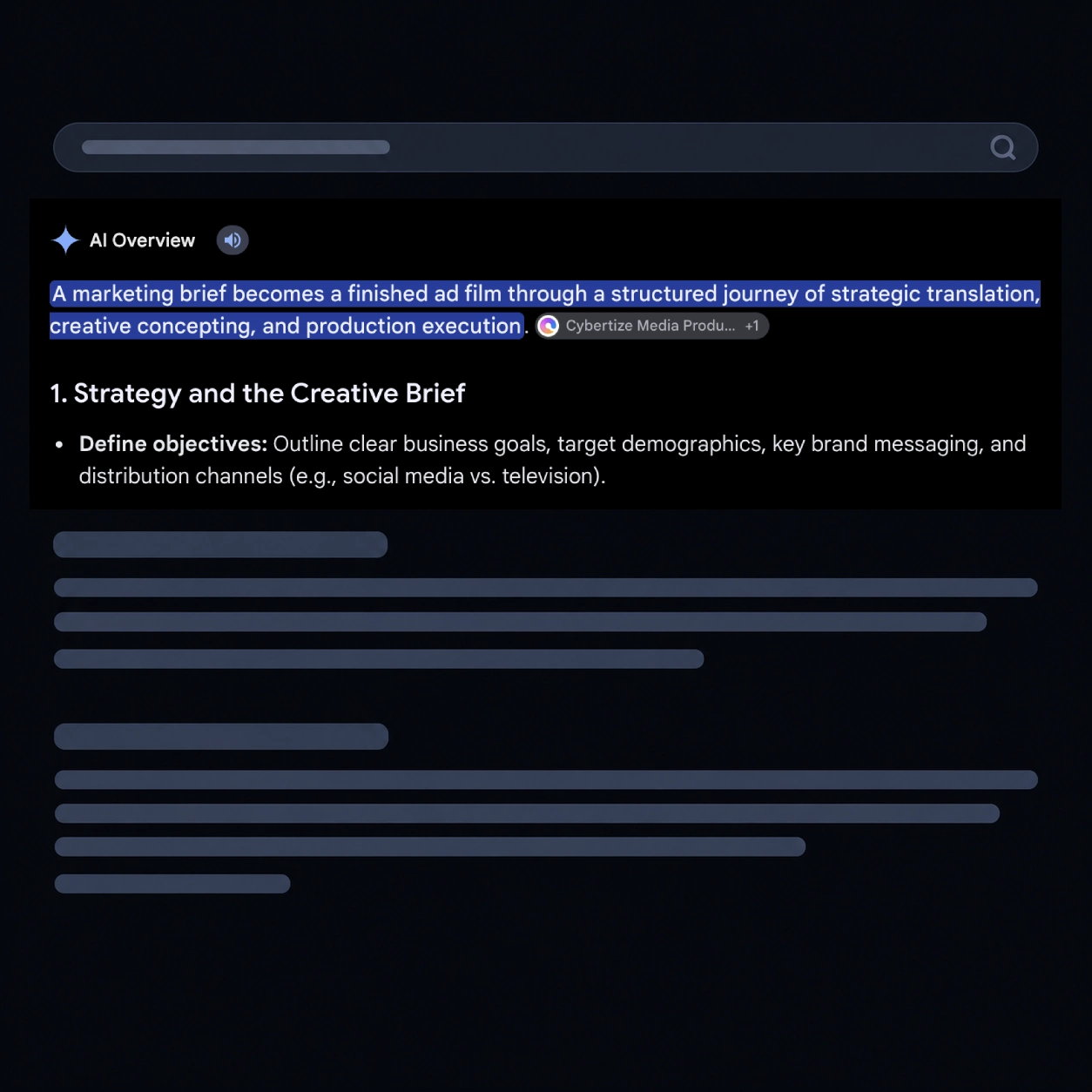
Answer Engine Optimisation Services: SEO focuses on improving discoverability and performance in search engines. AEO emphasises making information useful and discoverable in answer-oriented experiences. GEO, or generative engine optimisation, is a related term often used for improving visibility in generative AI responses. These ideas overlap considerably. We present them as related strategic perspectives, not entirely separate disciplines with guaranteed, platform-specific ranking mechanisms. Google’s guidance says the same from its side: optimising for generative AI search is, in its view, still SEO.
How We Optimise Content for Answer Engines
- Search and question research. We identify relevant queries, user questions, commercial intent, and content gaps.
- Content and technical audit. We review page quality, crawlability, indexing, internal links, entity clarity, and existing search performance.
- Content restructuring. We improve headings, explanations, definitions, examples, evidence, and completeness where needed. The aim is a better page for the reader.
- Technical improvements. We address rendering, indexing, metadata, semantic structure, and structured data issues.
- Authority and trust improvements. We strengthen author information, business details, source references, original insights, and relevant external validation.
- Implementation and quality assurance. We publish changes and check that content, links, markup, and technical behaviour work as intended.
- Measurement and refinement. We compare results with a baseline and improve the strategy using observed performance and user needs.
Recommendations depend on the website’s current condition, industry, competitive environment, and business objectives. A site with serious crawling problems needs different work from a site with sound technical foundations and thin content.
Content Formats That Support Answer-Driven Discovery
Different formats serve different needs. Here is how we use them.
- Detailed service pages that explain scope, process, limitations, and who the service is for.
- Technical guides and documentation that help buyers and implementers.
- Original research and industry reports that offer data and perspective others do not have.
- Practical implementation tutorials based on real experience.
- Evidence-based comparisons that help buyers weigh options fairly.
- Product and service explainers that answer the questions prospects ask sales teams.
- Expert-authored articles with named authors and relevant credentials.
- Case studies based on verified results, published only where the results are real and approved.
- Clear company and author information so readers and systems can see who is behind the content.
- Concise answers within comprehensive, context-rich pages, not thin standalone snippets.
No particular format guarantees selection by an answer engine. Google’s guidance encourages non-commodity content, meaning content with a unique point of view or first-hand experience, instead of material that restates what is already widely available. We build content because it serves a real audience, not because it resembles an AI-generated answer.
Technical AEO and Website Readiness
These technical areas affect whether content can be discovered and understood.
- Crawl access and indexability. Important pages must be reachable and eligible to be indexed.
- Canonical URLs and duplicate content management. Duplicates waste crawl resources and dilute signals.
- JavaScript rendering and server-rendered content where appropriate. Google can process JavaScript content when it is not blocked, but JavaScript sites need extra care.
- Internal linking and site architecture. Clear links help users and crawlers find related pages.
- Semantic HTML and readable page structure. Human readability matters most, and perfect markup is not required.
- Accurate title tags and meta descriptions.
- Structured data that matches visible page content.
- Page experience and mobile usability.
- Updated XML sitemaps where relevant.
- Consistent business and author information.
- Access controls that do not unintentionally block important public content, such as overly broad robots rules or authentication walls on pages meant to be public.
Structured data can help with supported search features but is not a special requirement for appearing in AI-generated answers. We do not claim that llms.txt, mandatory content chunking, special AI schema, or hidden instructions improve visibility in Google’s AI features. If you want to maintain such files for other services that use them, that is your choice, and we will tell you plainly what it does and does not do.
Hire AEO Experts: AEO for B2B and Technology Companies
AEO is particularly relevant to businesses with complex products, technical services, and longer sales cycles, where buyers research extensively before contacting anyone.
- Software development companies can explain technical capabilities and delivery approaches in ways a buyer can evaluate.
- SaaS companies can answer product and implementation questions that currently reach support or sales.
- IT service providers can clarify service scope, boundaries, and technology expertise.
- Consulting firms can publish useful industry insights drawn from real engagements.
- Enterprise technology vendors can explain integrations and architecture.
- B2B companies generally can help prospects compare approaches and evaluate solutions.
Examples of useful content include a clear explanation of how an API integration works, an honest comparison of custom software with off-the-shelf solutions, or a breakdown of the factors that affect implementation cost. The goal is qualified enquiries from better-informed buyers, not traffic for its own sake.
How We Measure AEO Performance
We evaluate an engagement using several sources of evidence, because no single measure tells the whole story.
- Relevant query and topic coverage. Whether pages exist for the questions that matter.
- Search impressions and clicks. From search performance data.
- Organic landing-page performance. How target pages perform over time.
- Referral traffic from identifiable AI and answer platforms, where analytics can identify it.
- Qualified enquiries and assisted conversions. The business outcome.
- Brand and source appearances in a documented sample of relevant answer experiences.
- Accuracy and consistency of brand information. Whether systems describe you correctly.
- Improvements in page quality and technical accessibility.
For Google, the Generative AI performance report in Search Console shows how content performs in generative AI features on Google Search and Discover. We use it alongside the other measures.
Limits of Measurement
AI-generated answers can change by query, location, user context, platform, and time. Some platforms provide limited referral data. Visibility in a manually tested set of prompts does not represent all users. Google also cautions that third-party tools claiming access to internal Google ranking metrics should be treated with care, since no third-party tool has access to Google’s internal ranking or AI systems. We do not report fabricated visibility scores or unsupported market averages, and we do not guarantee increased citations or revenue.
Why Choose Cybertize Technologies as Your AEO Agency?
If you are evaluating an AEO agency, whether called an answer engine optimisation agency or an AEO services company, the useful question is what the work will actually involve and how it will be judged. Here is how we approach it.
- Technical understanding of websites and web application architecture. We build software, so we can diagnose rendering, indexing, and architecture problems and implement fixes, not only describe them.
- Alignment between content improvements and technical SEO. Content and technical work are planned together, since good content on an inaccessible page helps no one.
- Experience-oriented thinking around AI and software systems. We work with AI-powered applications and can speak to how retrieval and generation work, which helps in assessing what is realistic.
- A structured approach to audits, prioritisation, implementation, and reporting. You know what is being done and why.
- Focus on useful content and genuine business expertise. We help you document what you actually know.
- Integration of AEO recommendations with broader organic search strategy. AEO is part of SEO, not a separate bolt-on.
- Attention to crawlability, content accuracy, and maintainability. Changes should keep working as the site evolves.
Cybertize can be a suitable partner for businesses that want content strategy and technical implementation from one team. We make no claim to be the best AEO agency, and we have no privileged access to the ranking or selection systems of Google, OpenAI, Microsoft, or other providers.
AEO Engagement Models and Pricing Factors
Scope and cost depend on:
- Website size and technical complexity
- Number of service pages and content assets
- Existing technical SEO issues
- Content research and original evidence requirements
- Number of products, services, or subject areas
- Competitive intensity
- Reporting and monitoring requirements
- Content production and implementation support
- Internal approval processes and available resources
Possible Engagements
- Initial audit. A review of technical readiness, content quality, entity information, and current visibility, with prioritised recommendations.
- Focused optimisation project. A defined set of pages or technical fixes, implemented and measured.
- Ongoing AEO and SEO support. Continuing content, technical, and measurement work.
We do not publish prices or fixed timelines, and we do not guarantee outcomes. Start by telling us about your current website, target audience, and visibility challenges, and we will propose a scope that fits.
What to Expect Realistically
Search and answer systems respond to improvements over weeks or months, not days, and indexing and serving are never guaranteed. Results vary with starting condition, competition, and how quickly changes are implemented. Honest reporting means showing you what changed, what did not, and what we would try next.
What Is Answer Engine Optimisation?
Answer engine optimisation (AEO) is the practice of making a website’s information easy for search and answer systems to find, interpret, and use, and easy for people to trust once they arrive. In practice, it means:
- Helping systems understand the purpose and subject of each page, through clear titles, headings, and plain explanations of what you do.
- Answering relevant user questions accurately and directly, in the context of a full page that gives the detail a buyer needs.
- Publishing useful, original information that demonstrates real expertise and first-hand knowledge.
- Improving crawlability, indexability, and content accessibility, so important content can be reached and read.
- Establishing consistent brand and entity information, so your company, services, and authors are described the same way wherever they appear.
- Supporting content with trustworthy evidence and appropriate sources.
- Making important business information easy to locate and interpret.
How AEO Relates to SEO
AEO is a practical way of improving discoverability in answer-driven experiences. It is not a replacement for technical SEO, useful content, or established search fundamentals. Google’s own guidance on generative AI features states that SEO best practices remain relevant, because those features are rooted in its core Search ranking and quality systems. From Google’s perspective, optimising for generative AI search is optimising for the search experience. We agree with that framing, which is why our AEO work starts with SEO fundamentals and adds AI-search-specific analysis on top of them.
No single formatting trick, schema property, or AI-specific file guarantees visibility. Google’s guide specifically says that you do not need special files such as llms.txt, special markup, or content chunking for Google Search, and that structured data is not required for generative AI search. You can read it here: Optimizing your website for generative AI features on Google Search.
Make Your Expertise Easier to Discover in AI Search
If your business publishes useful content but your visibility in search and answer experiences is unclear, the first step is a look at what is actually happening. Cybertize Technologies can help you assess your website’s technical readiness, content quality, and opportunities to improve discoverability across traditional and answer-driven search. Share your website, your target audience, your most important services, and your current organic search challenges, and we will tell you what we would prioritise and what we would leave alone.
Request an AEO Audit →
Some Important Question:
How long does answer engine optimisation take to show results?
It varies with the site’s condition, competition, and how quickly changes are implemented. Improvements are usually seen over weeks to months, and indexing and serving are never guaranteed. We agree a baseline and review progress on a regular schedule, and we do not promise specific timelines.
How much do AEO services cost?
Cost depends on site size and complexity, existing technical issues, number of subject areas, content research and production needs, competitive intensity, reporting requirements, and whether you want an audit, a project, or ongoing support. We provide a scoped estimate after discussing your website and goals.
Can AEO help B2B and software companies generate leads?
It can support lead generation by making useful content easier to find at the research stage and by attracting better-informed prospects. We tie work to qualified enquiries rather than traffic alone, but we cannot guarantee lead volumes.
Does every website need a separate AEO strategy?
Not necessarily. For many sites, the right approach is a single organic search strategy that includes answer-focused content and technical readiness. A separate effort makes sense when you need to analyse AI search visibility, address specific gaps, or coordinate content across many topics.
How should a business choose an AEO services company?
Look for clear explanations of methods, honest statements about limits, technical competence, evidence of relevant work that can be verified, transparent reporting, and no promises of guaranteed citations. Be cautious about tools or services claiming access to internal ranking systems, or promoting tactics such as llms.txt as a guaranteed lever.