Travel Software Development for Different Business Models
Travel Software for Startups
A startup should validate demand before building everything. An MVP can focus on one product category and a limited supplier set, prove that customers book, and then expand. We plan a scalable architecture so early choices do not block growth, and we advise on which integrations to prioritize.
Travel Software for Online Travel Agencies
Online travel agencies need customer booking journeys, supplier connectivity, inventory management and booking operations. The back office for amendments, cancellations and finance is as important as the front end.
Travel Software for Tour Operators
Tour operators need package creation, itinerary management, group reservations and customer communication. Departure-based inventory, room allocation and payment schedules are typical requirements.
Travel Software for Travel Agencies
Agencies need enquiry capture, quotations, bookings, supplier coordination, CRM and invoicing in one flow. The goal is to move an enquiry to a confirmed, invoiced booking with fewer manual steps.
Travel Software for Hotels and Hospitality Businesses
Hotels and hospitality groups need room availability, reservations, property system integrations, guest management and multiple booking channels. Keeping direct bookings and channel inventory consistent is the central concern.
Travel Software for Travel Aggregators
Aggregators need multi-supplier inventory, price comparison, API connectivity and centralized booking management. Performance and data normalization drive most technical decisions.
Travel SaaS Product Development
Travel SaaS development uses multi-tenant architecture, subscription management, user roles, partner management, configurable workflows and scalable infrastructure. Each customer of your SaaS product can have its own branding, rules and data separation.
Travel Mobile Application Development
Our travel mobile application development work is designed around the booking journey on small screens, intermittent connectivity and push-based communication. As a travel app development company, we keep the app, booking engine and admin systems connected through a shared API layer.
Travel Booking App Development
A travel booking app supports search, availability, booking, payment, confirmation and booking history in a streamlined flow suited to mobile use.
Hotel Booking Mobile App Development
Hotel booking mobile apps cover property discovery, room selection, guest details, payment and reservation management, with saved details to speed up repeat bookings.
Flight Booking Mobile App Development
Flight booking mobile apps handle flight search, fares, passenger details, booking status and ticket information, with updates delivered through notifications.
Tour and Holiday Package Apps
These apps support itinerary discovery, package booking, activity information and trip updates before and during travel.
Travel Agent Mobile Applications
Agent apps provide agent access, customer enquiries, bookings, quotations and notifications so agents can respond to customers while away from a desk.
Travel App Backend and API Development
The backend synchronizes mobile applications, booking engines, suppliers, customer accounts and administrative systems. A well-designed API prevents the app and web platform from showing different booking states.
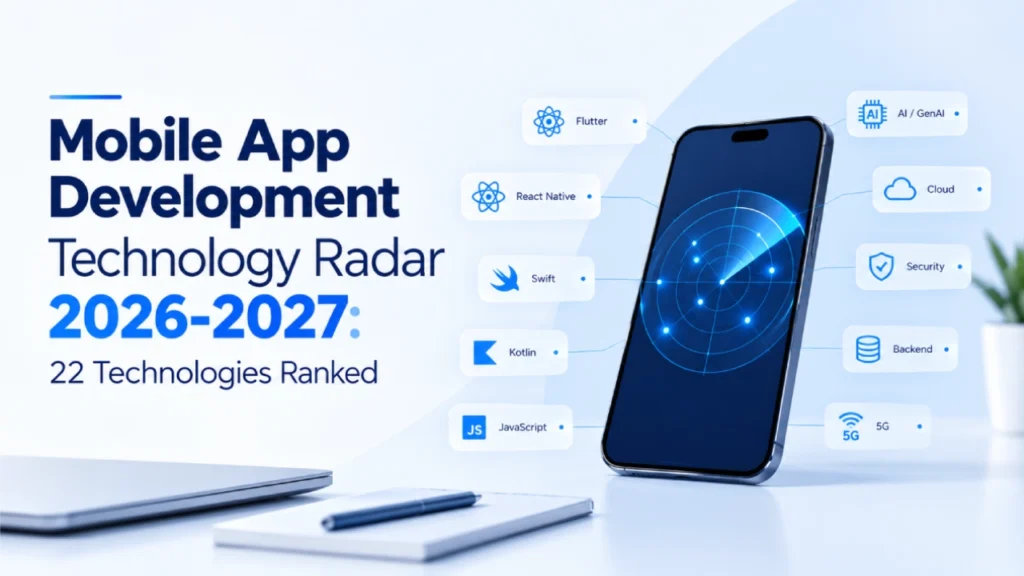
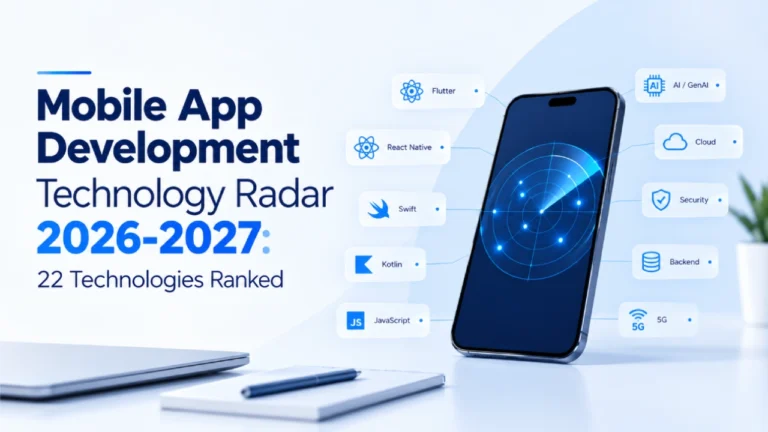
Technology choices include native Android with Kotlin, native iOS with Swift, and cross-platform frameworks such as Flutter and React Native. The right approach depends on product complexity, native device requirements, performance needs and maintenance strategy. Cross-platform development can reduce duplicated effort, while native development may suit products with heavy device integration.
Technology Stack for Travel Software Development
We select technologies by purpose, based on inventory volume, supplier integrations, booking traffic, product architecture and long-term maintenance needs. Not every project uses every technology listed here.
- Frontend development: React, Angular, Vue.js, Next.js, Nuxt.js, HTML, CSS and JavaScript
- Mobile application development: Flutter, React Native, Kotlin and Swift
- Backend development: Node.js, Java and Spring Boot, Python, PHP and .NET
- Databases and caching: PostgreSQL, MySQL, MongoDB and Redis
- APIs and integration: REST APIs, webhooks, third-party travel APIs, GDS connectivity and payment APIs
- Cloud and infrastructure: AWS, Microsoft Azure, Google Cloud, Docker, Kubernetes and CI/CD
- Testing and quality assurance: API testing, booking workflow testing, integration testing, payment testing, performance and load testing, and automated regression testing
AI and Automation in Travel Software
AI features are useful when they rest on reliable data and sensible review. We do not promise that AI lowers prices or guarantees better bookings.
AI-Powered Travel Recommendations
Recommendation features can suggest destinations and travel options based on traveller preferences and past behaviour. Their quality depends on the data available and testing against real user behaviour.
Travel Chatbots and Booking Assistance
Chatbots can answer FAQs, handle booking enquiries, share itinerary information and route complex cases to support staff. They work best when connected to booking data and given clear handover rules.
Automated Travel Itinerary Generation
Itinerary suggestions can be generated from destination, trip duration, preferences and available travel products. Accuracy depends on current inventory and local information, and human review is advisable where bookings or safety are involved.
Travel Pricing and Demand Analytics
Reporting and analytical tools help businesses understand booking patterns, seasonal demand and pricing trends. These tools inform decisions; they do not replace commercial judgement.
Automated Booking Notifications and Support
Automation can send reminders, booking updates and cancellation notices, and can create support tickets from booking events, reducing manual follow-up.
Travel Software Development Process
- Travel business discovery and requirements analysis: We document your business model, products, users and constraints. Deliverables include a requirements document and a prioritized scope.
- Booking workflow and supplier integration planning: We map search-to-confirmation flows, cancellation rules and each supplier’s API capabilities. Deliverables include workflow diagrams and an integration plan.
- UI/UX design and traveller journey mapping: We design the journeys for travellers, agents and administrators. Deliverables include wireframes and design prototypes.
- Frontend and backend development: We build the interfaces, booking logic and data layer in iterations. Deliverables include working releases for review.
- Travel API and payment integration: We connect suppliers and gateways, and map their data to your internal model. Deliverables include tested integrations and documentation.
- Booking, payment and integration testing: We test the full booking lifecycle, including booking failures, supplier timeouts, price changes, duplicate transactions, cancellations, refunds and inventory synchronization. Deliverables include test results and defect reports.
- Deployment and release: We prepare infrastructure, run release checks and launch in a controlled way. Deliverables include a production environment and release notes.
- Monitoring, maintenance and continuous improvement: We monitor performance, errors and supplier changes and plan enhancements. Deliverables include monitoring dashboards and an improvement roadmap.
Travel Software Engagement Models
The right model depends on how clearly your scope is defined and how your team will evolve.
- Fixed-scope travel software development: Suits a defined MVP or a clearly specified portal, such as a startup validating one product category or an agency replacing a known workflow.
- Dedicated travel software developers: Suits businesses that already have product ownership and need extra engineering capacity, such as an OTA with an in-house product team.
- Dedicated development team: Suits larger or long-running programmes, such as a travel technology business building several modules over time.
- Time-and-materials engagement: Suits evolving requirements, for example modernizing a legacy platform in stages or adding supplier integrations as agreements come through.
- Ongoing maintenance and support: Suits any live platform, including hotel groups and agencies, that needs updates, monitoring and supplier API changes handled.
Travel technology involves more than a good interface. A flight or hotel search depends on supplier connectivity and response times. Pricing depends on supplier rates, markups, commissions, taxes and currency rules. Reservations depend on real-time or near-real-time inventory, and a price shown a minute ago may no longer be valid. Payments need confirmation, failure handling and reconciliation. Cancellations and refunds follow supplier and fare conditions, not just a button on a screen. We design for these realities from the first requirements workshop.
Discuss Your Travel Software Development Project
A travel platform succeeds when search, pricing, booking, payment and support work together under real conditions. If you are a travel startup founder, an online travel agency, a tour operator, a travel aggregator, a hotel or hospitality business, or a travel SaaS product owner, we can help you plan the right architecture and build it.
Bring us the idea for a new travel portal, a booking engine, a hotel booking application, a travel mobile app, or the modernization of an existing platform. We will review your business model, suppliers and booking workflows, and recommend a practical scope and engagement model.
Discuss Your Travel Software Requirements